
Repair, Don't Despair!
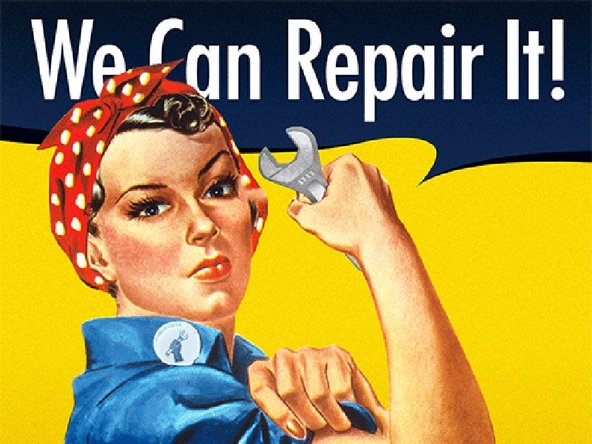
Repair can be costly.
Emotionally, physically, financially.
But repair is critical to building secure attachments in relationships. What does repair in a classroom look like?
We’ve all been there, someone acts in a way that causes tears, and there are always so many sides and “I didn’t mean to” and strawman attacks from all sides. Even our politicians make a career out of never apologizing.
An authentic apology between students needs to address the *impact* of their actions, as well as their intention.
Authentic Apologies
1) Truthtelling – everyone gets a chance to speak, and everyone actively listens to the other party.
2) Timing – scheduling a check-in and repair session when all parties are regulated and able to listen is critical.
3) Trust in good intentions – assume good intentions and listen carefully to them. Then…
4) Take Time to address the actual impact. What damage did it cause, and what could repair look like?
5) Tackle the problem, not your peer, collaboratively – see the situation as “all of us vs the problem or damage” not “us vs them”
6) Draft a plan and enact it step by step for repair and prevention.
7) Try authentic apology with the sentence stems:
I can now see that my action of …
Caused damage by…
And now, I know that to repair I need to …
And to prevent it in the future I need to …
I am sorry.
8) Set a date to check back in to monitor progress.